Why Do Mosquito Sprays Fail in Shaded Jackson Yards?
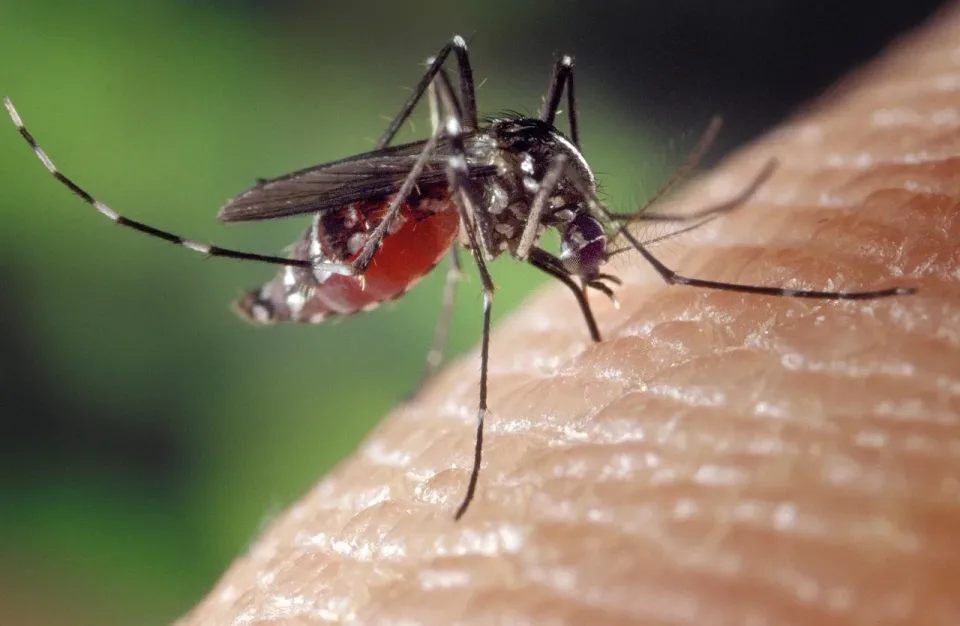
Mosquitoes swarming shaded backyard seating after a DIY spray often point to sheltered resting spots or nearby breeding water the product did not reach. A fresh coat of spray may not solve the problem if the source remains. At Jackson State University, shaded campus grounds offer a useful reminder: dense vegetation creates places where mosquitoes can stay out of direct sun, so check the underside of leaves and quiet corners.
The Mississippi State Capitol grounds are another local example of landscaped outdoor space where shade and plant cover shape how people use a yard. Near Belhaven University, homeowners should inspect tucked-away containers and low spots after rain rather than treating only the open lawn. We can help identify what is sustaining activity.
Why does shade defeat a quick spray?
If mosquitoes return to shaded seating soon after a DIY application, the spray may have missed resting sites or the conditions sustaining activity. Dense foliage, the underside of patio furniture, and sheltered spaces near fences can leave mosquitoes undisturbed when treatment only covers open lawn.
Start by checking these hiding places and removing standing water from buckets, plant saucers, and other containers. Small details matter.
At the Mississippi Museum of Natural Science in Jackson, visitors can see how varied natural habitats support different species; in a backyard, that means looking beyond the grass for protected spots where adult mosquitoes rest. In the Fondren District, older, leafy yards may have layered vegetation and shaded corners that are easy to overlook during a quick application.
Mississippi Coliseum is a familiar Jackson landmark, but the useful takeaway for homeowners is practical: open areas and sheltered edges are different treatment targets. Our inspection looks for both.
Could rain or heat be keeping mosquitoes active?
Standing water after rain supports mosquito breeding, so a spray cannot compensate for water left in containers or low spots. Empty or drain what you can, and check again after the next shower. Hot weather accelerates mosquito activity, which can make a yard feel worse even when you have recently treated it.
In Mississippi, the same shaded patio can remain a comfortable resting area for mosquitoes as temperatures rise. A recurring problem after rainfall calls for source checks and a treatment plan suited to the yard, not simply another pass with a retail can. Our crew checks where water collects and where people are being bitten, then explains which steps address breeding conditions and which target adult mosquitoes.
When should you stop DIY and call a pro?
A homeowner can handle routine water removal and light trimming. Call for a professional assessment when activity continues after you have removed standing water and checked sheltered resting spots, or when you cannot tell where mosquitoes are coming from. Repeatedly spraying the same exposed surfaces without finding harborage can waste product and leave the main source untouched.
The Mississippi Civil Rights Museum sits in Jackson’s downtown core; for local residents, the point is not distance but that mosquito problems are specific to each property, even within the same city. We document inspection findings, identify likely resting and breeding areas, and select treatment locations based on the site. Our crew has worked in the Jackson area for more than 11 years, where humid summer conditions make careful prevention and clear explanations important.
What should you expect from a targeted visit?
A useful visit starts with a walk-through of the yard, not an automatic spray of every surface. We look at shaded vegetation, seating areas, containers, drainage, and the pattern of bites, then explain the proposed treatment and any preparation needed. The Mississippi Department of Agriculture and Commerce oversees state pesticide applicator licensing; we work as a Mississippi-licensed pest control operator and follow applicable label directions.
If mosquito activity is limited to a small seating area, treatment may focus there and on nearby resting sites. If the whole yard is affected, broader inspection findings help determine whether conditions elsewhere are contributing.
You can read more about our Mosquito Treatment approach or browse the Mississippi Pest Solutions Blog for other practical pest guidance. Ask what areas will be treated and what directions apply before returning to them.
Which Mosquito Spray Option Fits a Shaded Yard?
If mosquitoes keep returning to shaded backyard seating despite a DIY application, first separate source removal from adult-mosquito treatment. The right choice depends on what the inspection finds.
| Option | Best for | Key detail |
|---|---|---|
| DIY source cleanup | Water in containers or low spots | Drain standing water and recheck after rain |
| DIY spray | A label-listed area you can reach | Follow the product label for application and re-entry |
| Targeted professional service | Persistent activity in sheltered yard areas | Inspection identifies likely resting sites |
| Preventive service plan | Repeated seasonal pest pressure | Schedule and scope follow site findings |
The Mississippi Civil Rights Museum is a Jackson landmark; yards across the city still need property-specific checks rather than a one-size treatment. Davis Wade Stadium in Starkville is far from this backyard, but its outdoor setting makes a simple point: open event grounds and shaded residential seating have different exposure patterns.
Frequent summer thunderstorms can displace ants, so after a storm, check for new pest activity instead of assuming a prior treatment addressed every issue. Ask what is being treated and why.
How Do You Prepare for a Mosquito Yard Assessment?
A few observations help us distinguish a hidden source from a treatment-coverage problem. Note where people are bitten and whether activity changes after rain.
-
Track the hot spots: Mark shaded seating, dense plantings, and times when mosquitoes become noticeable.
-
Remove easy water: Empty containers and clear accessible items that hold water before the visit.
-
Describe the property: Mention drainage concerns or any areas technicians cannot enter without gate instructions.
-
Ask about treatment limits: The Biloxi Lighthouse stands on an exposed coastal site, unlike a sheltered Jackson yard; tell the technician where shade and cover are concentrated so the assessment reflects your layout.
-
Discuss weather exposure: Coastal storms can bring wind-driven rain and flooding, a reminder that weather can alter outdoor treatment conditions; ask how that affects the planned visit.
The Gulf Coast stays humid much of the year, so a trip to Gulf Islands National Seashore offers a regional reminder that outdoor moisture can persist; share recurring damp spots with the technician.
Ready to Get Help With Shaded Backyard Mosquitoes?
When mosquitoes keep returning to shaded backyard seating, remove standing water and note which spots remain active. If the problem persists, ask for an inspection before applying more product. EPA pesticide labels specify application and re-entry directions, so follow the instructions for any product you use and keep people and pets away as directed.
A professional assessment can identify sheltered areas and help set a treatment interval based on the product label. Mississippi Pest Solutions checks the yard, explains findings in plain language, and records treatment locations.
Heavy rain can flood crawl spaces and basements, so tell us if water collects near your home. Ross Barnett Reservoir is a familiar local outdoor landmark, but a backyard assessment must account for your own property. Request Mosquito Treatment from our Jackson-area crew.