What Do Roaches Under Kitchen Appliances Signal?
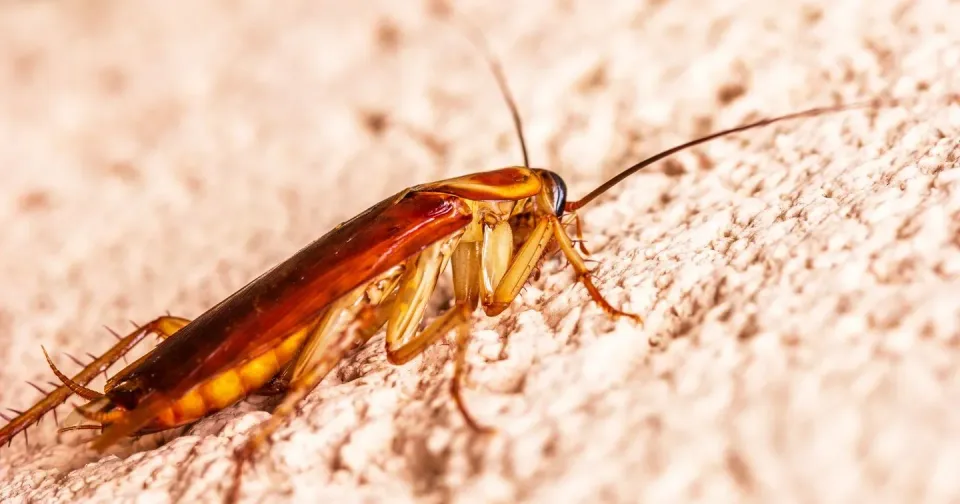
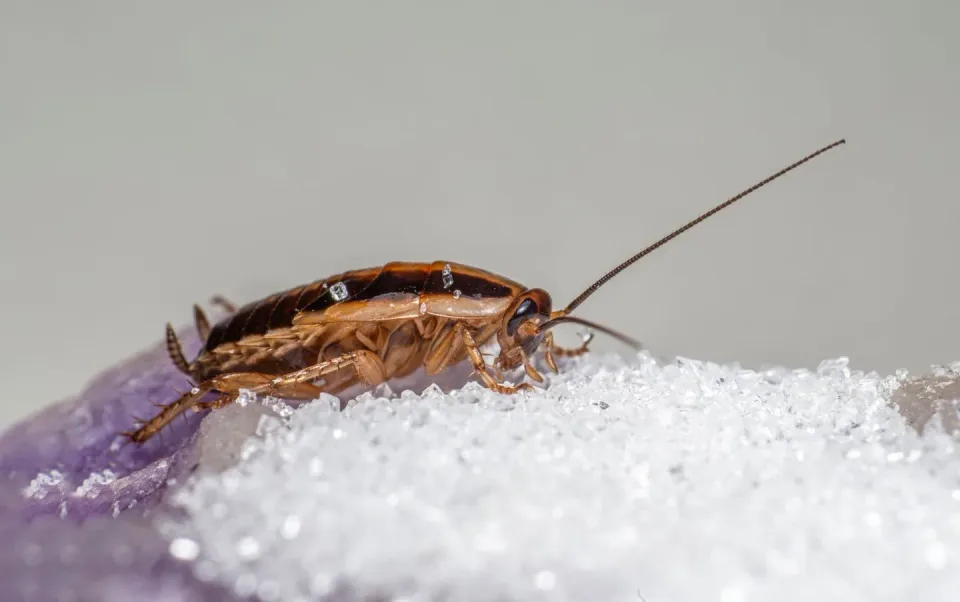
Roaches hiding beneath kitchen appliances often point to a nearby harborage with food, warmth, or moisture not just a stray insect. Check for droppings, shed skins, and activity along appliance edges, then avoid moving a heavy refrigerator if doing so could damage flooring or a water line. Long, humid summers increase indoor pest pressure across Mississippi, so persistent sightings deserve a closer look.
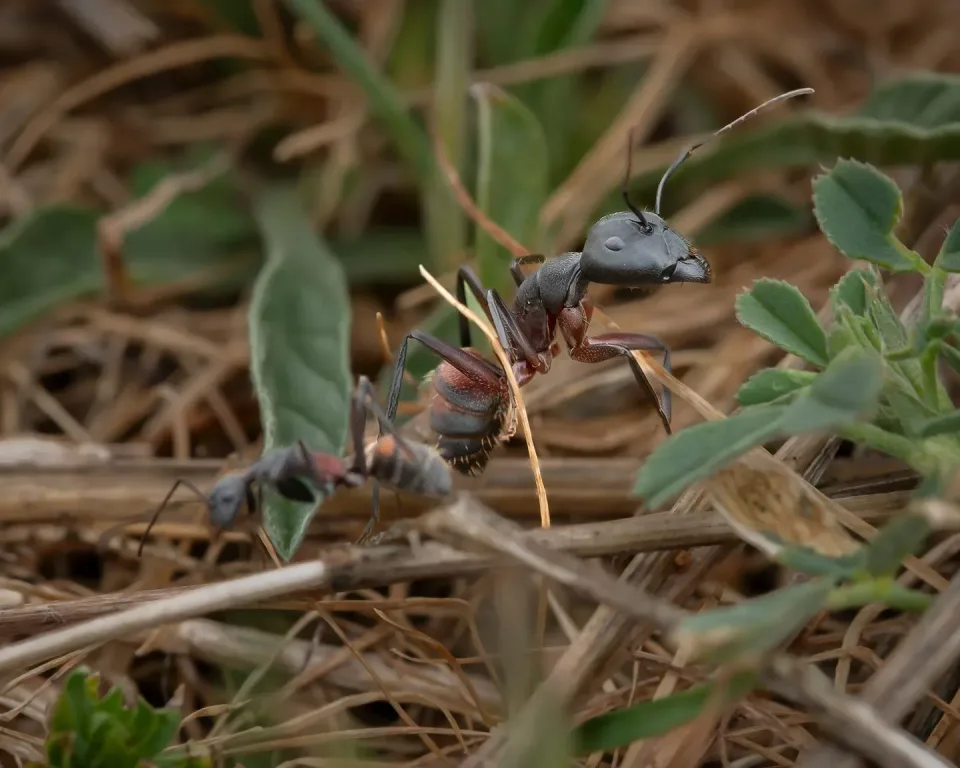
We inspect the room and explain what we find before recommending a treatment. A customer who says they hoped to get somebody out for ants may be describing a separate kitchen issue that also needs inspection; each pest needs its own identification.
At the GRAMMY Museum Mississippi in Cleveland, visitors can explore the state’s music history; at home, a clear account of where and when pests appear helps our crew plan the right service. Call (877) 729-2528 to discuss what you are seeing.
What do roaches beneath appliances tell you?
Roaches hiding beneath kitchen appliances can mean there is a protected route between a food or water source and a harborage. The warm motor area behind a refrigerator, grease beneath a range, and dampness around a dishwasher can each offer conditions that let activity persist. One insect alone does not establish how extensive the problem is; repeated sightings, droppings, or insects in more than one room raise concern.
In Mississippi, the Mississippi Coliseum in Jackson is a familiar local venue, but a kitchen needs its own close inspection: we check appliance edges, nearby plumbing, cabinet gaps, and the floor-wall junction. Mississippi River flooding affects low-lying Delta properties, and in homes affected by water intrusion, damp materials can complicate pest conditions. We look for the source rather than treating a visible insect as the whole problem.
Could the signs mean roaches are spreading?
Repeated sightings at night, pepper-like droppings in cabinet corners, or activity near more than one appliance are reasons to arrange an inspection. Roaches can stay hidden during the day, so a quiet kitchen in daylight does not prove the issue has ended. An inspection should note where evidence appears and whether food, moisture, or gaps may be sustaining activity.
Mississippi applicator licensing compliance matters because pesticide work must be performed within applicable state requirements. Ask the provider to explain the findings and treatment plan in plain language.
Our crew documents inspection findings and selects a method based on where roaches are active, rather than applying product indiscriminately. A customer saying, “I need somebody to come out and kill them,” needs both relief and a clear explanation of what the treatment can address.
When should you call a professional?
If roaches keep appearing after you clean and remove accessible food and water, or you find signs in several locations, call for professional Cockroach Control. A single sighting in an otherwise clean kitchen may justify monitoring and careful cleaning first. Do not spray over or near bait placements; that can interfere with a treatment plan and may create unnecessary exposure.
Mississippi Museum of Natural Science in Jackson offers a local point of reference, but identifying the pest in your home depends on the evidence there. At Mississippi Pest Solutions, we inspect appliance surrounds, likely entry gaps, and moisture sources before explaining the next step. For related kitchen activity such as ant trails, see Why Ant Trails Keep Crossing Kitchen Counters and How to Stop Them.
How does a targeted treatment address hidden roaches?
Integrated Pest Management starts with inspection and practical changes, such as removing crumbs, correcting leaks, and reducing harborage. Depending on the findings, a technician may use a labeled crack-and-crevice application or place gel bait where roaches travel. The right choice depends on access, activity, and the product label not simply on which appliance is involved.
The Mississippi Civil Rights Museum in Jackson is another recognizable place in the state; for pest work, the useful record is the service documentation showing products, locations, and findings. We explain the treatment plan and label directions, including any re-entry instructions that apply. For details about our process, visit Mississippi Pest Solutions.
Which Treatment Fits Roaches Beneath Appliances?
The best approach depends on whether activity is confined indoors, linked to outside entry, or recurring across visits. A good fit matters.
| Option | Best for | Key detail |
|---|---|---|
| One-time general pest treatment | A current, localized problem | Targeted response based on inspection findings |
| Quarterly pest control | Recurring household pest pressure | Preventive monitoring at a planned service interval |
| Interior pest treatment | Active sightings beneath appliances | Focuses on identified indoor harborage |
| Exterior perimeter treatment | Suspected entry from outdoors | A 12-inch exterior treatment band may apply when the product label allows it |
| Gel bait | Discreet placement near roach activity | Placement must follow label directions |
For a household near Mississippi State University in Starkville, the service decision still depends on that home’s inspection findings, not its location. Mississippi State Capitol in Jackson is a local landmark, not a treatment boundary; we assess each property individually.
B.B. King Museum in Indianola also anchors a distinct community, while kitchen treatment remains specific to the home. Ask us to explain which option matches the evidence.
Prepare the Kitchen Before Roach Treatment
A little preparation helps the technician inspect the places roaches use without shifting heavy appliances unnecessarily. Tell us where you have seen activity and whether anyone in the home has sensitivities. Heavy rain can flood crawl spaces and basements, so mention any recent water intrusion that may have affected the kitchen or nearby structure.
| Step | What to do |
|---|---|
| 1. Describe activity | Note which appliance, time of day, and any droppings or sightings. |
| 2. Clear access | Make space around appliance edges and clear access beneath sinks. |
| 3. Protect food | Store exposed food and clean away accessible crumbs. |
| 4. Secure pets | Keep pets out of treatment areas and follow the technician’s directions. |
| 5. Follow guidance | Keep treated surfaces dry and observe label re-entry directions. |
High humidity encourages mold and wood decay, so report damp cabinets or soft flooring rather than covering them up. A prevention-first plan may include correcting moisture sources and reducing harborage. Longleaf Trace is a Mississippi landmark; at home, the useful route to prevention begins with the specific kitchen conditions we can inspect.
Ready to Address Roaches Under Kitchen Appliances?
If roaches repeatedly appear beneath the refrigerator, stove, or dishwasher, arrange an inspection instead of relying on repeated surface sprays. Cockroach egg cases may hatch after treatment, so follow-up observations can help determine whether more attention is needed. We explain what we find and how the proposed treatment addresses the activity.
Sardis Lake is a familiar Mississippi destination; at home, our focus is the kitchen and the evidence in it. Tamper-resistant bait stations may be considered where appropriate, with placement selected to limit access by children and pets.
If activity continues, share the dates and locations you observe. Contact Mississippi Pest Solutions at (877) 729-2528 to discuss an inspection, or learn more about our Cockroach Control service.