Why Do Ant Trails Keep Reaching Kitchen Counters?
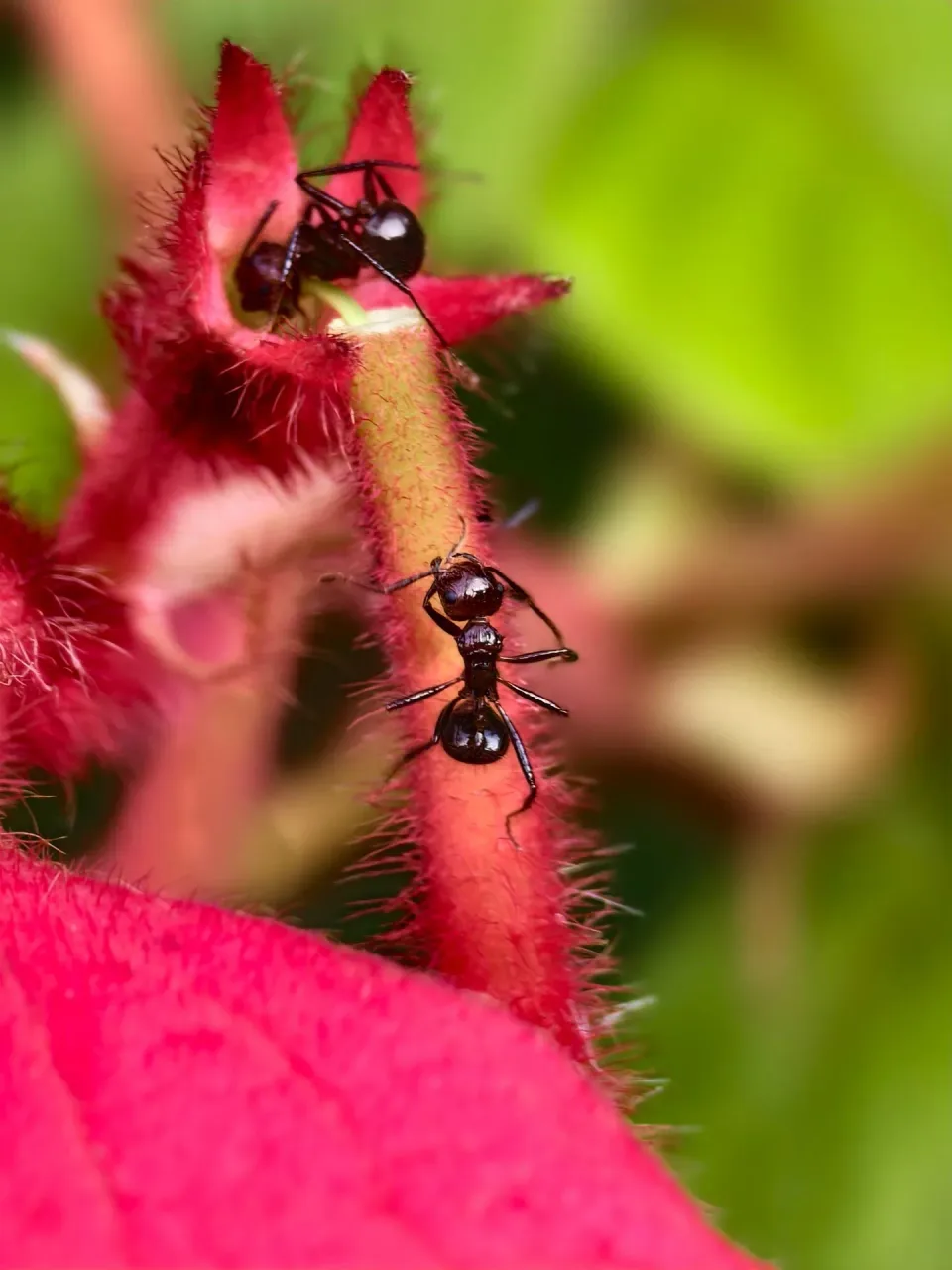
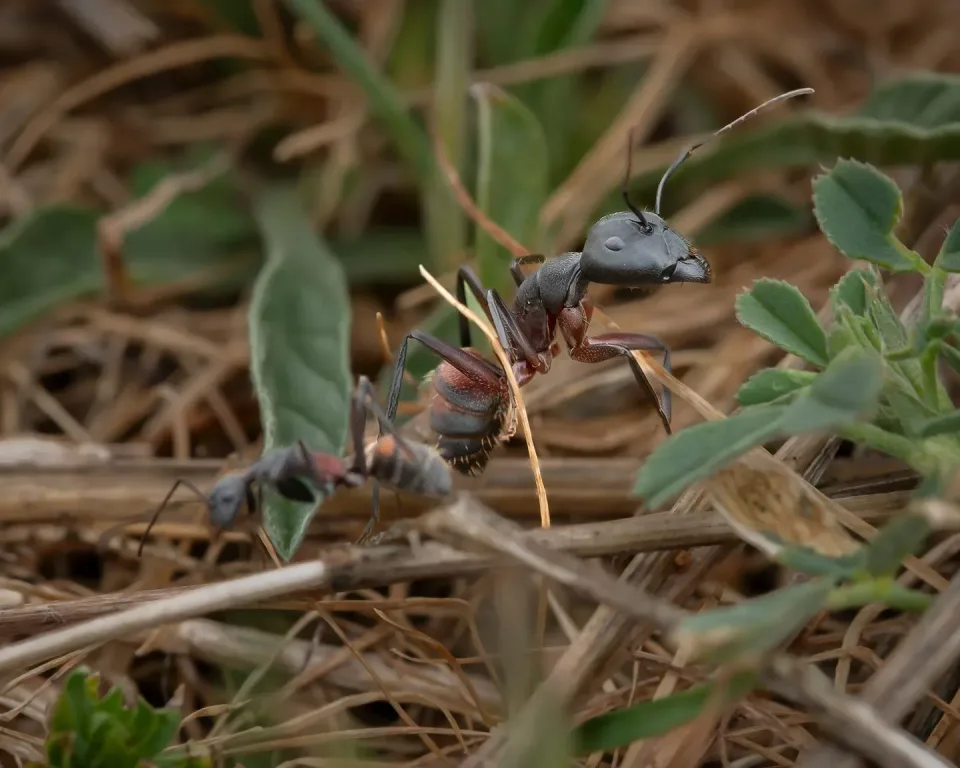
Ant trails crossing kitchen counters usually mean foragers have found food or water and are following a scent route back to the colony. Wiping the visible line helps, but the trail often returns if crumbs, moisture, or an entry gap remain.
Coastal storms can push ants from wet outdoor nesting areas toward dry indoor routes, so check around doors and plumbing after wind-driven rain. Near the Biloxi Lighthouse, that weather exposure is a practical reason to keep food sealed and counter edges dry.
The Corinth Civil War Interpretive Center offers a different local reference: for homeowners traveling through the region, a trail can develop while a home sits unattended, so inspect before leaving food out. Start here:
-
Remove food: Seal sweet or greasy items and clean spills promptly.
-
Trace the route: Follow ants toward a window, pipe, or cabinet seam.
-
Dry the surface: Wipe standing water around sinks and dish racks.
If ants return, note where they enter before choosing treatment.
Why does the trail return after cleaning?
Ants leave scent cues as they travel between a food source and their colony. A wet cloth can remove the visible insects without removing the reason they came: a sugary film beneath a toaster, a leaky faucet, or an open cereal bag.
Clean the full route with ordinary household cleaner, then dry it; avoid spraying an insecticide directly across a route where bait may be placed. Bait needs foragers to find and carry it, so competing food can undermine the plan.
Frequent summer thunderstorms can displace ants from outdoor nesting spots, and a kitchen may become the next convenient route. We see homeowners wipe the counter but skip the cabinet underside or the gap where a pipe enters the wall.
That missed seam can keep the trail active. Near Davis Wade Stadium in Starkville, seasonal activity around a home still comes down to these same small access points; inspect the nearest door and utility penetrations rather than assuming the nest is on the counter.
What should you check before using bait?
Look for the trail’s endpoint, then check for food residue and moisture nearby. Place gel bait only where children and pets cannot reach it, and follow its label directions; do not put it on food-contact surfaces.
Ant bait results can take several days, so resist moving placements or adding repellent spray too soon. If activity shifts, record the new route and adjust only according to product directions.
Autumn leaf litter can shelter insects near foundations, so clear leaves and debris from the home’s edge without disturbing a nest blindly. That simple cleanup may reduce a route toward a threshold, but it will not solve a colony already established inside a wall void.
The Mississippi Civil Rights Museum is a recognizable Jackson landmark, and the relevant homeowner lesson is less about distance than careful observation: note which wall, sill, or cabinet the ants use before treatment. Our inspection findings guide where bait or a labeled crack-and-crevice application belongs.
When should you call an ant control professional?
A small, new trail that disappears after food storage, cleaning, and sealing a visible gap is reasonable to monitor yourself. Call for help if trails recur from several locations, appear inside cabinets, or persist despite removing food and water draws. At Natchez National Historical Park, older structures remind visitors that building details vary; in a home, hidden voids and aging trim can likewise make the source harder to locate than the counter suggests.
Our team checks the route, harborage, and likely entry points before choosing treatment. Integrated Pest Management means combining sanitation and exclusion with carefully selected product placement, not simply spraying every surface. See our Ant Control service for the inspection-and-treatment approach, or read about roaches hiding beneath kitchen appliances if other kitchen pests are also appearing.
How do you keep the counter trail from restarting?
Keep pantry food in closed containers, wipe cooking residue, and repair drips promptly. Seal small gaps around plumbing or trim when practical, and keep exterior vegetation and debris from touching the structure.
The Natchez Trace Parkway passes through varied surroundings; at home, the useful distinction is whether ants are entering from outdoors or emerging from an interior void. Follow the route rather than treating every room the same way.
We explain what we find and why a particular placement is appropriate. A targeted bait plan may be preferable to broad surface application when ants are actively foraging, while a persistent route may call for locating and closing an entry point. Mississippi Pest Solutions has served Mississippi for more than 11 years, and our crew uses inspection findings to match treatment to the home instead of guessing from the counter alone.
Which Counter-Trail Treatment Fits the Problem?
Choose based on whether ants are actively foraging indoors or entering from outside; a counter spray alone may miss both the source and route. In the Gulf Coast region, humidity stays high much of the year, so dry food storage and prompt spill cleanup matter even between treatments.
Homes near Gulf Islands National Seashore may also need attention to entry gaps after outdoor exposure, rather than repeated counter applications. Hot weather accelerates mosquito activity, a separate seasonal issue that should not be confused with an ant treatment need.
| Option | Best for | Key detail |
|---|---|---|
| Gel bait | Active indoor foragers | Discreet placement; allow several days for results |
| Crack-and-crevice treatment | A known seam or void | Access can be as narrow as 1/4 inch |
| Perimeter treatment | Exterior entry points | Label-directed band may extend 12 inches |
| Quarterly maintenance | Recurring pest pressure | Common residential schedule; scope follows findings |
How to Prepare for Kitchen Ant Treatment
Before a visit, note where the trail starts and ends, and tell the technician whether it appears near a sink, pantry, or exterior door. Heavy rain can flood crawl spaces and basements, so mention damp areas that may affect access or pest activity.
High humidity encourages mold and wood decay; report soft or persistently damp trim rather than covering it up. The GRAMMY Museum Mississippi in Cleveland is a useful regional reference, but at home the key is a clear, accurate account of the affected area.
-
Share activity: Describe when ants appear and where the line travels.
-
Clear sink access: Remove stored items beneath affected plumbing.
-
Store food: Seal exposed ingredients and clear the counter.
-
Secure pets: Keep pets away from treatment locations as directed.
-
Follow label guidance: Keep treated surfaces dry and observe re-entry directions.
-
Report changes: Note recurring trails for follow-up planning.
Ready to Stop Kitchen Ant Trails?
A clean counter is a start, not a complete fix, if ants still have an entry gap, moisture source, or food residue to follow. Spring warmth can increase termite swarming, a separate reason to keep an eye on the structure while checking ant routes.
Mississippi River flooding affects low-lying Delta properties, so homeowners in those areas should also mention damp conditions during an inspection. Near Belhaven University in Jackson or elsewhere in the state, our crew can explain the findings and treatment choices in plain language.
Contact Mississippi Pest Solutions at (877) 729-2528 to discuss a recurring trail, or review our Ant Control service before deciding on next steps.