Do Termite Tubes on Your Foundation Mean Active Damage?
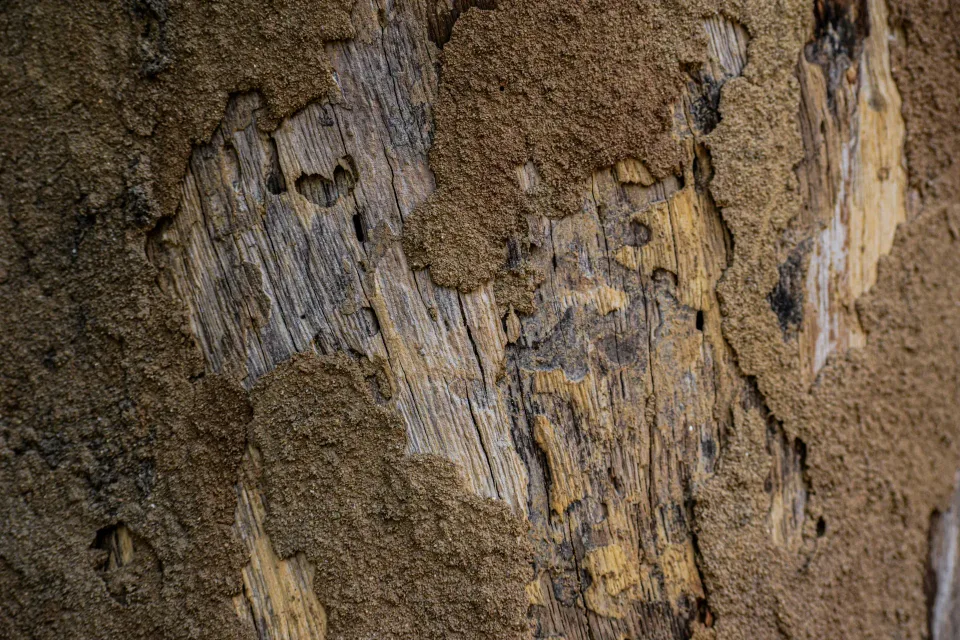
Termite tubes climbing foundation walls can signal active termite travel, but the tubes alone cannot confirm how much damage is inside. Avoid breaking them apart before an inspection; an intact tube can help show where activity may be occurring. Long, humid summers increase indoor pest pressure in Mississippi, and the Mississippi State Capitol in Jackson offers a familiar local reference for homeowners weighing a foundation concern. A termite inspection in Jackson can help distinguish current activity from old, inactive evidence and identify where to check next.
-
Look, don’t disturb: Note the tube’s location and whether it appears intact or freshly repaired.
-
Check nearby wood: Look for soft, hollow-sounding, or damaged areas, but don’t assume every mark is termite damage.
-
Arrange an assessment: A professional can examine the foundation and accessible wood before recommending termite treatment in Jackson, MS.
Mississippi Pest Solutions can document inspection findings and explain the next steps in plain language.
How Can You Identify Termite Damage?
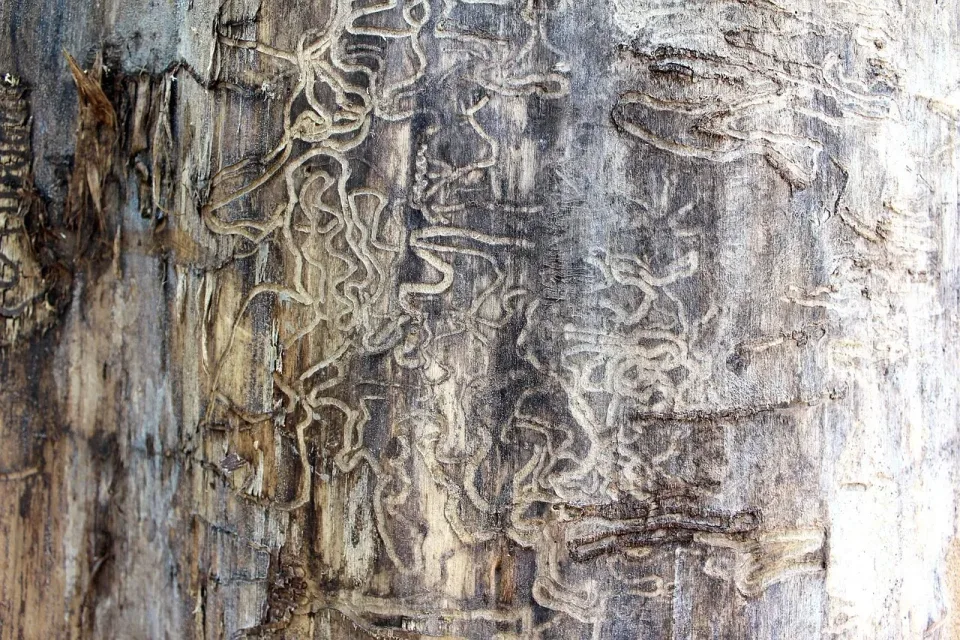
A mud tube is evidence of a possible termite route, not a measurement of structural damage. To identify termite damage, look for wood that seems blistered, tunneled, or unusually soft, and note where it meets the foundation or soil.
Don’t pry into load-bearing components or assume a hollow sound proves termites; moisture and other damage can produce similar clues. Take clear photos and leave the tube intact for assessment.
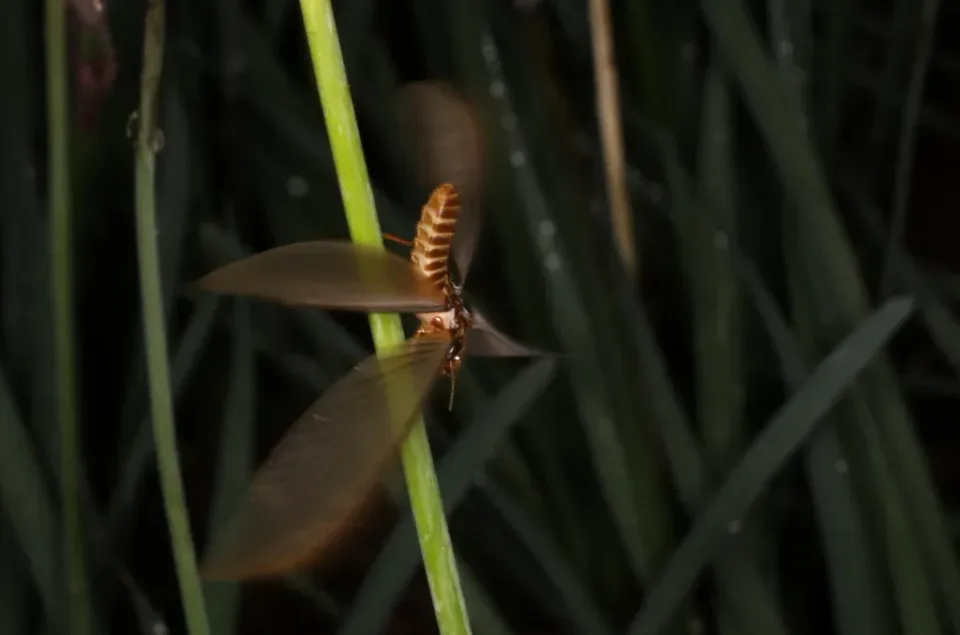
Spring warmth can increase termite swarming, so winged termites or shed wings near a window can be a reason to investigate. Swarmers alone don’t show how much wood has been affected. We compare visible signs with accessible areas of the structure before discussing a treatment plan.
Do Mild Winters Mean Termites Stay Active?
They can. Mild winters allow some pests to remain active, so a quiet winter does not prove that termite activity has stopped.
Conditions around a building matter: moisture, soil contact, and hidden access points can all affect what an inspection finds. In the Corinth area, the Corinth Civil War Interpretive Center is a recognizable local landmark, while homeowners should focus on the evidence at their own foundation rather than use the season as a diagnosis.
Autumn leaf litter shelters insects near foundations; clearing it away gives you a better view of the wall and reduces concealed areas beside the structure. Keep mulch and stored materials from obscuring visible foundation sections, and report any new tubes or damaged wood. Small observations help an inspector choose where to look.
When Should You Call a Termite Professional?
Call for an inspection when a tube is present, when you find damaged wood, or when the same area shows fresh signs after you have noted it. Don’t rely on a DIY spray to determine whether termites remain active; surface treatment may leave hidden activity unassessed.
A practical DIY step is to photograph the tube, record its location, and keep the foundation visible. The professional decision is whether the structure needs treatment and where work should be done.
Coastal storms bring wind-driven rain and flooding, which can make moisture conditions around a home harder to manage. In coastal communities, tell the inspector about recent water intrusion or persistent dampness. Mississippi Pest Solutions explains findings before recommending Termite Treatment, so the plan addresses the observed condition rather than a guess.
What Does Termite Treatment Address?
Termite treatment should follow inspection findings, not just the presence of a single tube. The treatment plan may address the identified route and other relevant areas of the structure; ask what the proposed work covers and what follow-up is recommended.
Access around the foundation and the home’s size affect the scope of the job, so an estimate needs an assessment rather than a guess. Estimates vary by pest, treatment scope, property size, and site conditions; final quotes require an inspection or service assessment.
A common failure is treating visible evidence while leaving the cause of access or moisture unexamined. We discuss what was found, what the proposed treatment is intended to address, and what observations merit follow-up. For more on the inspection process, see our Termite Inspection service. Keep your photos and notes handy.
Which Foundation Treatment Option Fits the Evidence?
The right choice depends on whether the concern is a specific sign at the foundation or a broader need for prevention; the comparison helps frame the inspection conversation.
| Option | Best for | Key detail |
|---|---|---|
| Perimeter treatment | Addressing identified exterior access areas | An inspector determines where treatment is appropriate; exterior work must follow the product label. |
| Tamper-resistant bait station | Situations where a protected station is part of the plan | Placement and the station footprint need to suit the site and avoid obstruction. |
| Gel bait | Discreet, targeted placement where appropriate | Gel can be placed discreetly; liquid spray is used on broader label-listed surfaces. |
| Crack-and-crevice application | Treating a specific accessible gap | Targeted application focuses on the identified opening rather than broad coverage. |
Label-directed application practices matter: the product label sets the permitted use and directions. Follow-up visit scheduling should reflect what the inspection finds and whether activity needs to be checked again.
How Should You Prepare for a Termite Inspection?
If you find a tube on the foundation before a scheduled visit, leave it visible and make a note of where it begins and ends. Don’t spray over it first. Our crew can use the location as one clue while checking accessible parts of the structure.
-
Share access details: Provide gate and lockbox instructions before the appointment so the technician can reach the inspection areas.
-
Move pets away: Remove pets from interior application areas when treatment is planned, and ask the technician when they may return.
-
Protect fish tanks: Secure fish tanks during applications by following the technician’s directions for the specific service.
-
Discuss existing products: Tell the technician what you have applied and where, and share any known activity or access concerns.
-
Ask about treated areas: Residual treatments can remain active after application, so ask which surfaces to avoid and how to handle them.
Beauvoir in Biloxi is a local landmark, but the useful preparation is specific to your property. Ask what findings were recorded and what follow-up is recommended.
Get a Clear Answer About Foundation Tubes
An intact mud tube is a reason to investigate, not proof by itself of the amount of damage or whether termites remain active. Photograph it, leave it undisturbed, and have the surrounding foundation and accessible wood assessed.
Mississippi pest activity can vary by season, so the date you noticed the tube is useful context to share. B.B.
King Museum in Indianola is a familiar Mississippi landmark; at home, the important evidence is what an inspection finds at your structure. Mississippi Pest Solutions can explain those findings and discuss whether treatment is appropriate.
Request an assessment through our Termite Inspection service, or call (877) 729-2528 to discuss the next step.